
Most homeowners think the hard part of a wood fence project is choosing a contractor. It is not. The hard part is showing up to that first conversation with the right information, the right decisions already made, and a clear picture of what is actually on your property. When those pieces are missing, projects stall. Schedules slip. Costs climb. The customers who move fastest through the process are almost always the ones who did a little homework before anyone picked up a brush or a post digger.
The Paperwork That Slows Everything Down
Property lines are the single most common source of delay on residential fence jobs in Great Hills and across Austin, TX. A homeowner points to where they think the line is, work begins, and then a neighbor raises a concern. At that point, everything stops until a survey resolves the question. If you do not have a recent survey on file, order one before you call a contractor. It costs a few hundred dollars and saves far more than that in rescheduled crews and redone work.
HOA approval is the other paperwork issue that catches people off guard. Many neighborhoods in Great Hills have covenants that govern fence height, material, color, and even the direction boards face. Austin Fence Company sees this regularly: a customer is ready to move, the crew is available, and then an HOA approval that takes two to three weeks has not been requested yet. Submit that application early, and get the approval in writing before any contract is signed.
Utility locates are required by law before any digging, but customers sometimes assume the contractor handles all of it automatically. In Texas, the contractor calls 811 to have underground lines marked, but you should know whether you have any private utilities, irrigation lines, or drainage systems that are not on the public locate database. Those will not show up on the flags, and a post hole through an irrigation main is an expensive surprise.
Decisions That Need to Happen Before the First Estimate
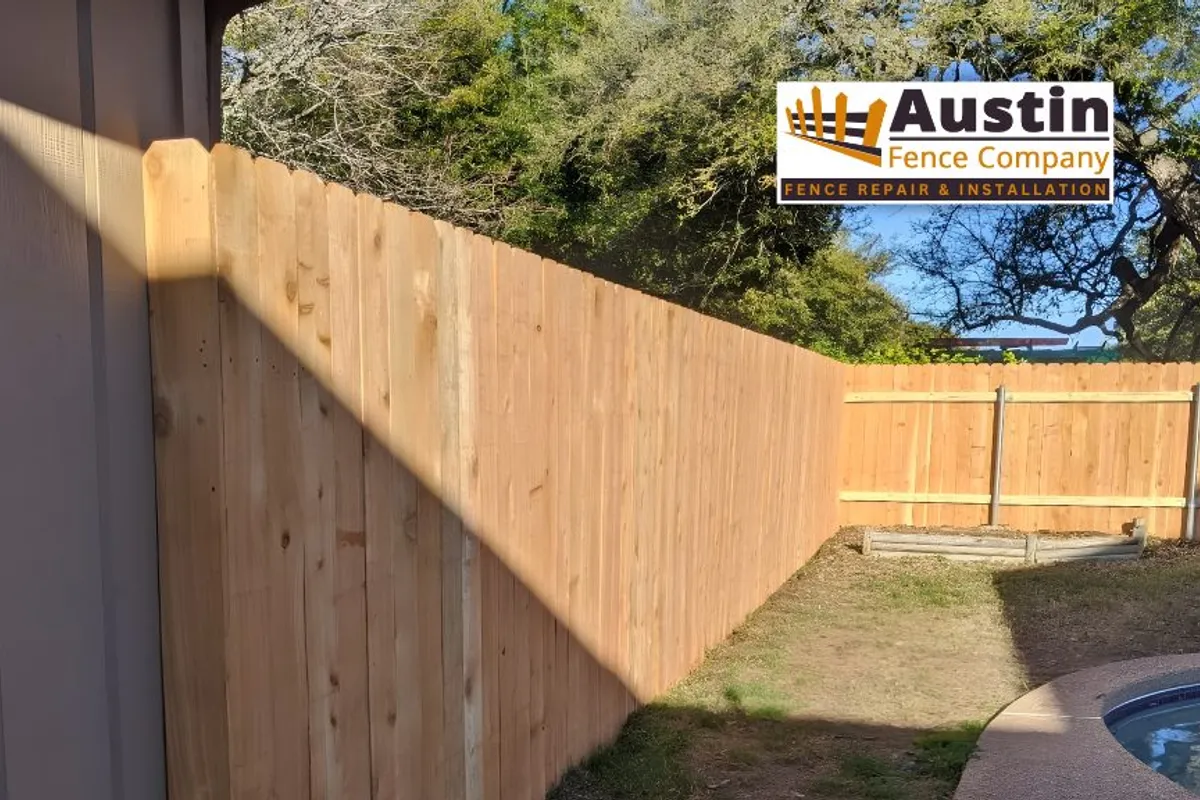
A contractor cannot give you a meaningful number without knowing what you actually want. That sounds obvious, but many customers arrive at an initial conversation having made no decisions at all about material, height, or finish. Cedar is the most common choice for wood privacy fencing in this area, and if you are leaning that direction, it helps to know that ahead of time. If you are open to lower-maintenance options, it is worth reading about composite fence alternatives before the estimate so you can have a real conversation rather than starting from scratch on the job site.
The finish question matters more than most customers realize. A raw cedar fence left untreated in the Texas heat will begin to gray and check within a single year. Fence staining is one of the most cost-effective ways to extend the life of a wood fence, and the time to plan for it is before installation, not six months after. If staining is part of the scope, the wood needs to be dry and the surface properly prepped. Scheduling it as an afterthought often means waiting weeks for the right conditions and then paying for a second mobilization.
Gate placement is another decision customers delay. Where a gate goes affects post spacing, hardware selection, and sometimes whether an automated opener is even feasible. If you think you might want an automated gate now or in the future, say so at the estimate stage. Retrofitting for automation later is possible but more expensive than planning for it from the start.
What the Crew Needs From Your Yard
Access matters in practical ways that customers do not always think through. Fence crews work with heavy equipment, material loads, and post-driving tools. If your yard has a narrow side gate, overgrown vegetation along the fence line, or a shed sitting right where posts need to go, those are problems to solve before the crew arrives. Austin Fence Company is direct about this: a yard that is not prepped for access adds time, and time on a job site is money.
Along some of the hillier sections near Spicewood Springs Road and Mesa Drive, grade changes along a fence line require additional planning for stepped or raked panels. Knowing whether your lot has significant slope helps a contractor price accurately and prevents a situation where the estimate assumed flat ground and the reality is something different. Walk your fence line before the estimate and note anything unusual, including roots, drainage swales, or grade drops greater than a foot or two.
Pets and children should also be part of the conversation. If a fence is being replaced in sections and you need containment maintained throughout the project, that affects the sequence of work. Tell the contractor upfront. Most crews can accommodate a phased approach, but only if they know it is needed before the job starts rather than on day one.
The Questions Worth Asking Before You Sign
A low bid is not always a good bid. Ask what is included in surface prep, how many coats of finish are applied, and what the warranty covers. Ask whether the crew that shows up is employed by the company or a subcontracted team. Ask for references from jobs in Great Hills or nearby areas like Jester Estates, where you can actually go look at work that has been through a few years of weather. Reading through Austin Fence Company reviews is a reasonable way to get a sense of how a contractor handles the parts of a job that do not go perfectly, which is where character actually shows.
Austin Fence Company has been serving homeowners in Austin, TX for years and knows the specific prep that makes fence projects run cleanly from estimate to final coat. For questions about an upcoming project, reach out directly. Austin, TX, (512) 900-5735.
Frequently Asked Questions
What paperwork do I need before starting a fence project?
You should have a recent property survey to avoid disputes about property lines, as this is a common source of delays. Additionally, if your neighborhood has an HOA, get their approval on fence height, material, and design before signing any contracts.
What decisions should I make before getting an estimate for my fence?
Know what type of material you want, like cedar or composite, and decide on the height and finish of the fence. Planning for features like gate placement and whether you want an automated opener will help ensure a more accurate estimate and smoother installation process.
How can I prepare my yard for the fence crew?
Ensure that your yard has clear access for heavy equipment and materials. Remove any overgrown vegetation, and check for obstacles like sheds or drainage systems that might interfere with the fence installation.
What are common mistakes homeowners make when preparing for a fence project?
One common mistake is not having a recent survey or HOA approval in place, which can halt progress. Another is failing to communicate specific needs, like maintaining pet containment during a phased installation, which can lead to unexpected complications on the job site.
Get Directions to Austin Fence Company
🎧 Listen to this as a podcast
Also on Apple Podcasts, Spotify, and Amazon Music.