
So you’ve scheduled your fence installation, now what? A little prep work before our crew arrives can make the whole process smoother and faster. We’re not talking about anything crazy, just some simple steps that help us get in, get your fence up, and get out without surprises.
After 18 years and hundreds of fence installs across Austin, we’ve seen it all. Fence lines buried under years of brush. Property pins that nobody can find. Dogs that really, really don’t want strangers in their yard. A couple of hours of prep prevents all of that, and helps our crews get your fence installation done faster.
Haven’t scheduled yet? Call us at (512) 900-5735 for a free estimate. We typically respond within 24-48 hours and will walk through your yard together to point out anything that needs attention.
Clear the Fence Line
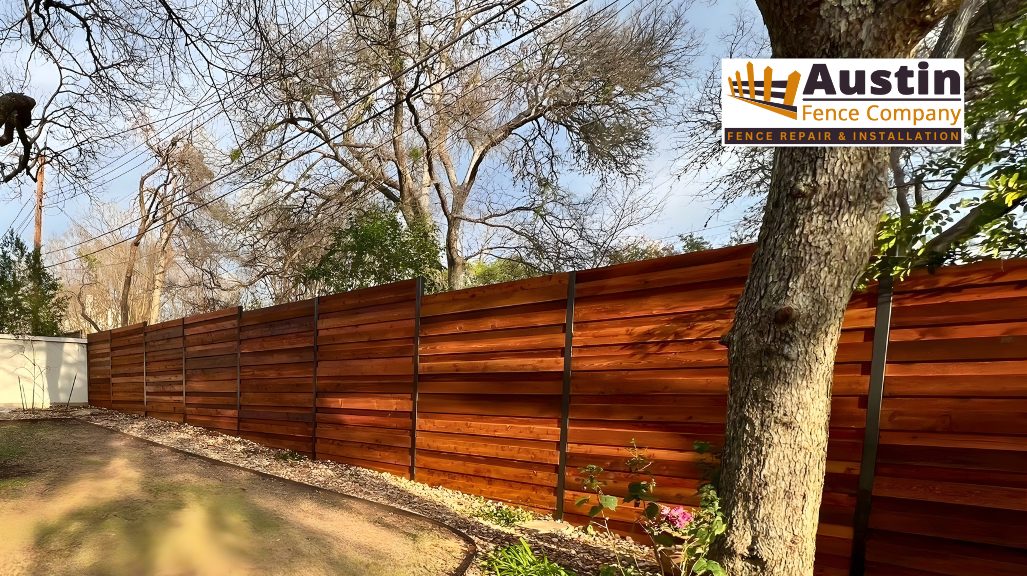
This is the big one. We need about 3 feet of clearance on both sides of where your fence will go. That means moving or trimming:
Bushes and shrubs. If they’re along the fence line, either trim them back hard or transplant them. We can work around mature trees, but overgrown shrubs slow everything down.
Debris and junk. Old lumber, rock piles, that broken patio furniture you keep meaning to toss, it all needs to go. On one job last year, our crew had to clear overgrown vegetation before they could even start the demolition. Saved everyone time when the homeowner handles that upfront.
Garden beds. If you’ve got beds right along the property line, we’ll need to work through them. Consider relocating plants you want to keep.
That old fence. If you’re replacing an existing fence, we handle fence removal as part of the job, including hauling away the debris. But if you want to save money by removing it yourself, make sure it’s completely down before we arrive.
Know Your Property Lines
This sounds obvious, but you’d be surprised how many people aren’t 100% sure where their property actually ends. And once a fence goes up in the wrong spot, it’s a mess to fix, trust us, we’ve seen the neighbor disputes that follow.
Find your survey pins. These are metal stakes, usually at the corners of your property. They might be buried a few inches underground, a metal detector helps.
Check your plat. Your closing documents should include a plat map showing exact property dimensions. Travis County also has records online.
When in doubt, get a survey. A professional survey runs a few hundred bucks, but it’s cheaper than moving a fence later, or dealing with an angry neighbor and potential legal headaches.
Talk to Your Neighbors
Good fences make good neighbors, but surprise fences? Not so much. A quick conversation goes a long way:
Give them a heads up. Let them know when the installation is happening. There’ll be some noise, power augers, circular saws, nail guns, and our trucks will be parked nearby.
Discuss the fence line. If you’re building right on the property line, your neighbor might want to weigh in. Some folks even split the cost.
Ask about their side. With a wood privacy fence, one side looks better than the other. The “good” side (flat boards) traditionally faces out, but this is worth discussing.
Mark Underground Utilities and Sprinklers
Austin yards are full of buried stuff, irrigation lines, electrical conduit, gas pipes, cable. Hitting any of these is bad news, and it slows down the whole project.
Call 811 before we dig. This is free and required by Texas law. Utility companies will come out and mark their lines with colored flags or paint. Do this at least 3-4 days before installation.
Mark your sprinkler heads and lines. 811 doesn’t cover private irrigation systems, that’s on you. Walk the fence line with your sprinkler system running and flag anything close. If you’ve got a map from when the system was installed, even better.
Note any drainage or septic. If you’ve got a septic system or French drains, let us know where they are. We don’t want to dig into them.
Handle Your Pets
We love dogs. But dogs don’t always love strangers digging holes in their territory. And with gates open and crews moving in and out, escape is a real risk. One of our customers called specifically because their dog fence wasn’t keeping their pup in after wind damage, the irony of that same dog escaping during installation isn’t lost on anyone.
Keep pets inside or at a friend’s place on installation day. If that’s not possible, confine them to an area well away from the work zone. The same goes for chickens, goats, or whatever else you’ve got roaming your Austin backyard.
Austin-Specific Prep Considerations
HOA Approval
If you live in Circle C, Mueller, Steiner Ranch, or most other master-planned communities around Austin, you need HOA approval before we can start. This typically takes 2-4 weeks, so don’t wait until the last minute. We help customers with this all the time, one recent review mentioned we “gave them options, helped with approvals, and even followed up a week later.” That’s how we do it.
Tree Roots
Austin’s mature oak and pecan trees have root systems that spread far beyond their canopies. If you’ve got big trees near the fence line, expect us to work around some roots. We won’t damage the tree, but it might affect the exact post placement. Also worth noting: cutting major roots can kill a tree, and heritage trees in Austin are protected by city ordinance.
Grade and Drainage
Austin’s terrain isn’t flat. If your yard slopes, we’ll adjust the fence to follow the grade or “step it down in sections. Either way, make sure we know about any drainage issues. After heavy rain and flooding, we’ve had to reset posts that shifted right out of the ground for one customer, the crew reinforced the structure and made it look brand new, but it would’ve been easier if we’d known about the drainage problem upfront.
The Day Before: Quick Checklist
- Fence line cleared (3 feet on each side)
- Property corners marked or flagged
- 811 called and utilities marked
- Sprinkler heads and lines flagged
- Neighbors notified
- HOA approval received (if applicable)
- Pet plan in place
- Gate access confirmed (side gate unlocked, garage code shared if needed)
- Vehicles moved from the work area
Bottom Line
Prep work isn’t glamorous, but it makes a real difference. A cleared, marked, pet-free yard means we can focus on building your fence, not hacking through brush or hunting for property pins. Our crews leave job sites clean and free of debris, and we want to make sure your experience is smooth from start to finish.
Questions about prepping your yard? Give us a call at (512) 900-5735. We’re happy to do a site visit and point out exactly what needs attention before your fence installation. Check out our Google reviews to see what customers say about working with us.