
We’ve submitted probably 300 HOA fence applications at this point. Some sail through in two weeks. Others turn into a three-month back-and-forth that makes everyone miserable. The difference comes down to knowing the rules before you start.
We’re Austin Fence Company, and after years of working with HOAs across Austin (from the strict architectural committees in Circle C to the historic district reviews in Hyde Park), we’ve learned what gets approved and what gets rejected. Here’s what we wish every homeowner knew before starting their fence project.
Not sure what your HOA allows? Call us at (512) 900-5735. We’ll look up your community’s requirements before you even get a quote.
The $4,200 Fence That Had to Come Down
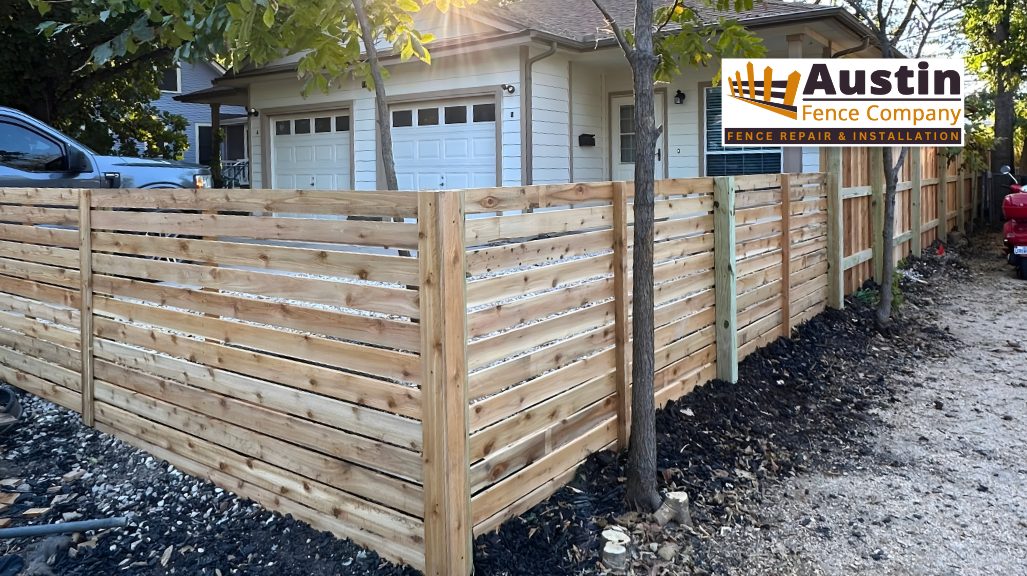
Last spring, a homeowner in Circle C called us in a panic. He’d hired another company to install a fence. Nice 6-foot cedar, board-on-board, looked great. The problem was that he never got HOA approval first. The architectural committee sent him a violation letter two weeks after installation.
Turns out Circle C requires the “finished side” to face outward on any fence visible from the street. His fence had the rails and posts facing the neighbor’s yard, which is how most people want it, but not how Circle C’s guidelines read. The HOA gave him 30 days to fix it or face daily fines.
He ended up paying us to tear down perfectly good fence panels and reinstall them backward. Total cost of doing it wrong the first time? About $1,800 in extra labor, plus the stress and wasted time. All because nobody checked the rules before starting.
We see some version of this story every few months. It’s completely avoidable.
What Austin HOAs Actually Care About
Every HOA is different, but after working with dozens of them, we’ve noticed they tend to focus on the same things:
Height. Most allow 6 feet in backyards, 3-4 feet in front yards. Corner lots usually have additional restrictions near intersections to ensure visibility. We had a customer in Avery Ranch who wanted an 8-foot privacy fence along his back property line. HOA said no, 6 feet max, no exceptions.
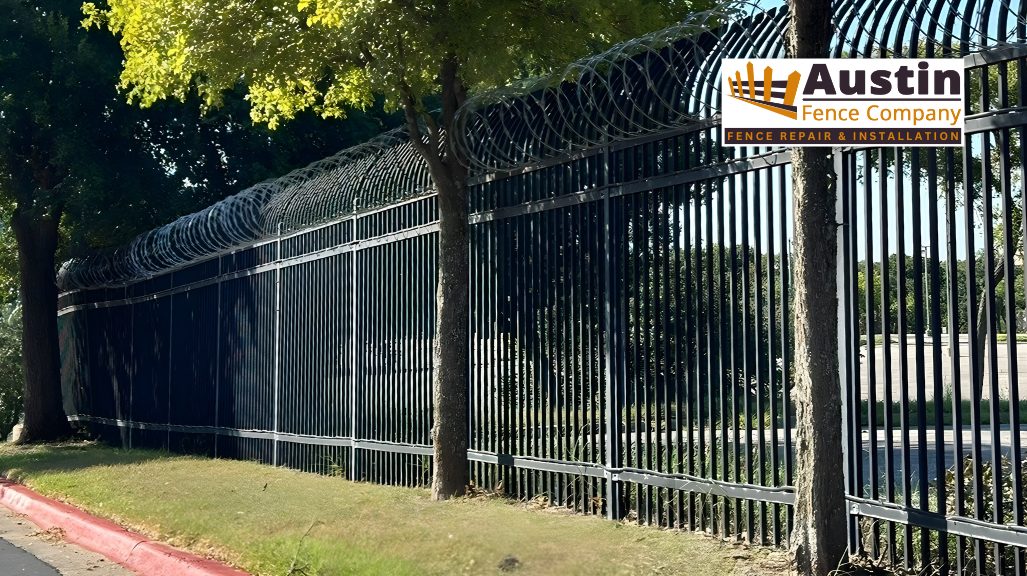
Materials. This is where it gets specific. A lot of Austin HOAs require cedar or quality wood fencing. No pine, no vinyl, definitely no chain link in visible areas. Some upscale communities in Westlake and the 78746 area mandate wrought iron or steel for front yards. We’ve even seen HOAs that specify the exact picket spacing.
Color and finish. Natural wood tones only? Specific approved stain colors? Black iron and nothing else? We’ve seen all of it. One customer in Great Hills wanted to paint her fence white to match her trim. HOA said natural cedar or nothing. She ended up loving the natural look, but it wasn’t what she originally planned.
Which way does it face? That Circle C story isn’t unique. Plenty of HOAs require the “good side” facing out toward neighbors and streets. Makes sense from a neighborhood appearance standpoint, even if it means you’re looking at rails and posts from your own backyard.
Don’t Forget the City of Austin Rules
Here’s something that trips people up: your HOA isn’t the only authority. The City of Austin has its own fence regulations, and they apply even if your HOA says something different.
The city allows up to 8 feet in backyards without a permit. But if your HOA caps it at 6 feet, you’re stuck at 6 feet. On the flip side, if you’re installing a pool, the city requires a 4-foot fence with self-closing gates, regardless of your HOA’s general fence guidelines. Safety codes win.
Easements are the other gotcha. Most properties have utility easements along the back or side, sometimes 10-15 feet wide, where you technically can’t build permanent structures. We always check the survey before planning a fence layout. Nothing worse than finishing a job and getting a letter from the electric company telling you to move it.
And if you’re in a historic district like parts of Hyde Park or Central Austin, you might need Historic Landmark Commission approval on top of everything else. We’ve navigated that process plenty of times. It adds a few weeks, but it’s manageable if you know what they’re looking for.
How to Get Your Fence Approved Fast
After submitting hundreds of these applications, we’ve figured out what makes them sail through versus what gets stuck in review limbo.
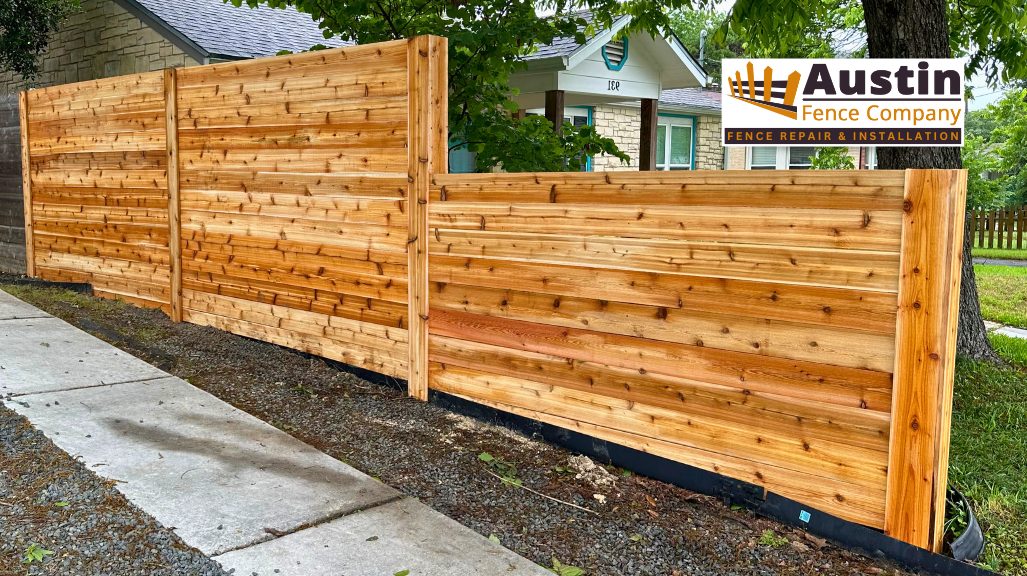
Match what’s already there. If every fence on your street is a 6-foot cedar board-on-board, don’t propose a horizontal slat modern design. Committees love consistency. We had an application in Steiner Ranch approved in 8 days because the fence matched the neighbor’s exactly: same height, same style, same stain color.
Give them everything upfront. Incomplete applications get tabled until the next meeting. We submit ours with a site plan showing exact fence location, material specifications, color samples, and photos of similar completed fences. The committee has zero questions, so they just approve it.
Talk to your neighbors first. This one’s underrated. If your neighbor calls the HOA to complain about your proposed fence, it throws a wrench in everything. Five minutes of conversation beforehand can save you a month of delays. Most neighbors are fine with it. They just want to know what’s happening.
Submit early in the cycle. Most architectural committees meet once a month. Find out when and get your application in at least 2 weeks beforehand. Last-minute submissions get pushed to the following month.
We Handle the HOA Hassle for You
Look, dealing with HOAs isn’t anyone’s idea of a good time. That’s why we take it off your plate completely when you hire us for a fence project.
Before we even give you a quote, we research your specific HOA’s requirements. We’ve got files on most of the major Austin communities at this point. Circle C, Steiner Ranch, Avery Ranch, Great Hills, Mueller, and the Westlake neighborhoods. We know their quirks.
We prepare the application with accurate site plans and all the documentation they want. We submit it and follow up if we don’t hear back. If they request changes, we work with you to find a solution that meets both the HOA requirements and your actual needs.
This is especially valuable if you’re looking at backyard privacy fencing or a decorative metal fence for your front yard. Those are the areas where HOAs tend to have strong opinions.
Let’s Figure Out Your HOA’s Rules
Not sure what your HOA allows? Don’t guess. That’s how you end up tearing down a brand-new fence. Get in touch with us or call (512) 900-5735. We’ll research your community’s requirements, walk your property, and give you a quote for a fence that’ll pass approval the first time.