
Why Avoiding Fence Repair Mistakes Matters in Austin
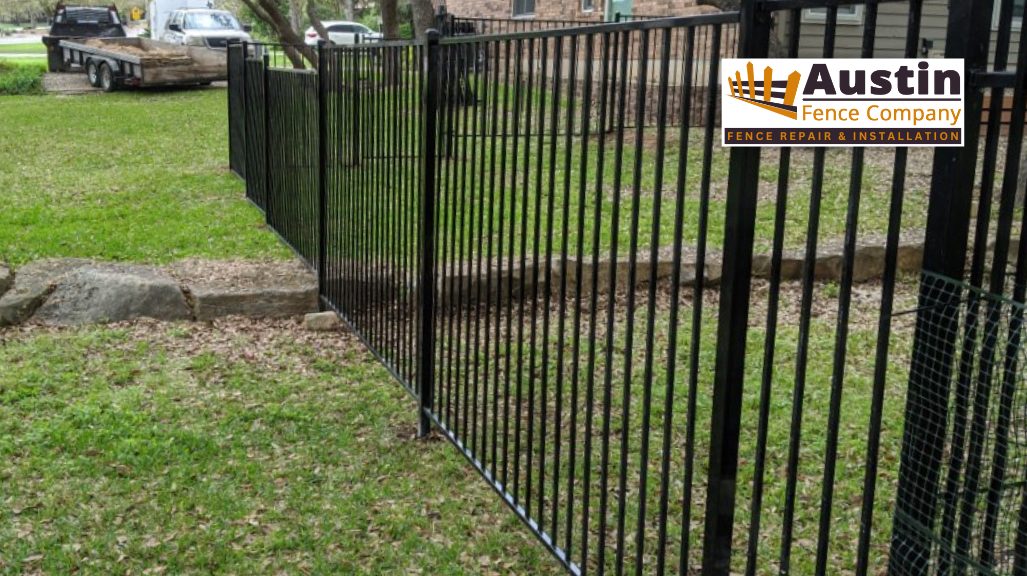
Fences in Austin are subject to HOA rules, rocky soil, and extreme weather. Mistakes in repair don’t just shorten the fence’s lifespan—they can:
- Result in HOA fines (common in Circle C or Steiner Ranch).
- Make fences unsafe for pets or kids.
- Reduce curb appeal and resale value.
- Force premature replacements costing thousands.
Helpful read: The Complete Guide to Fence Repair in Austin
Skipping Permits and HOA Approvals
In Austin, repairs may require permits if they involve replacing sections of fencing or altering height.
- Mistake: Repairing without approval.
- Consequence: HOA fines or forced removal.
- Correct Fix: Always check city rules and HOA guidelines first.
Resource: Do I Need a Permit to Build a Fence?
Using the Wrong Materials for Austin’s Climate
Materials that look fine in the store may not withstand Austin’s heat, humidity, and soil conditions.
- Untreated pine → rots quickly.
- Iron without powder coating → rusts within months.
- Cheap vinyl → warps in Texas heat.
Correct approach: Use cedar or pressure-treated wood, powder-coated iron, or composite fencing designed for Austin’s climate.
Helpful read: Best Fence Materials for Austin Homes
Improper Post Repairs and Alignment Issues
Fence posts are the foundation.
- Mistake: Shallow resets in rocky soil.
- Mistake: Not adding gravel for drainage.
- Mistake: Attaching panels before concrete cures.
- Result: Leaning fences within a year.
Neglecting Drainage and Soil Conditions
Austin’s clay-heavy soil expands when wet and contracts when dry.
- Mistake: Resetting posts directly in dirt.
- Mistake: Not grading ground for runoff.
- Result: Posts shift, boards loosen, and fences collapse.
Solution: Use gravel bases + proper slope grading.
Ignoring Rust and Rot Until It Spreads
Wood and iron both fail when early signs are ignored.
- Wood mistake: Painting over rot instead of replacing boards.
- Iron mistake: Painting over rust without sanding/priming.
- Result: Spread across sections, leading to $1,500+ rebuilds.
Poor Gate and Hardware Repairs
Gates are high-stress points.
- Mistake: Using undersized hinges for heavy gates.
- Mistake: Ignoring latch misalignment.
- Result: Gates sag, won’t close, or create security issues.
Over-Reliance on Quick DIY Fixes
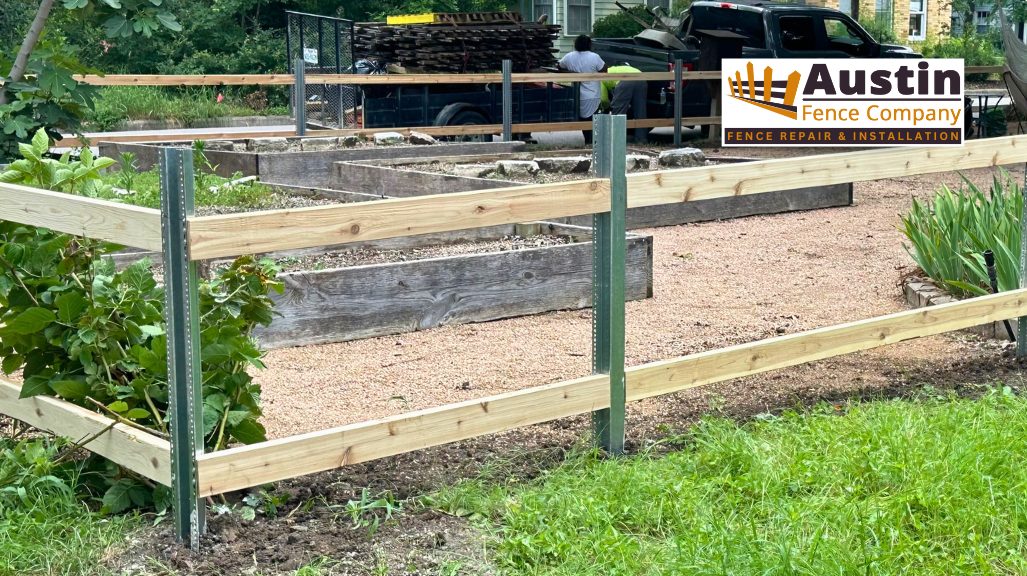
DIY patches like zip ties or untreated screws don’t last.
- Example: Zip ties on chain link sag in weeks.
- Example: Untreated screws rust fast in humidity.
- Result: Redo costs exceed pro repair.
Helpful read: DIY vs Professional Fence Installation
Delaying Professional Help
Delays turn $150 jobs into $1,500 replacements.
- Loose post ignored → full section collapse.
- Rust patch ignored → entire iron rail lost.
- HOA notices pile up → forced full replacement.
Service link: Fence Repair in Austin
Material-Specific Fence Repair Mistakes
Wood:
- Using untreated boards → rot spreads.
- Replacing one picket in a rotted section → temporary fix only.
Chain Link:
- Replacing mesh but not tension wires → sag returns.
- Painting rust but not posts → structural failure later.
Iron:
- Skipping welding → joints keep breaking.
- Painting without primer → rust resurfaces in months.
Composite/Vinyl:
- Using non-matching replacements → weak spots.
- Ignoring warped posts → panels crack under pressure.
Tools & Materials Mistakes to Watch For
- Using nails instead of galvanized screws → rust & loosening.
- Skipping sealants or coatings → moisture intrusion.
- Buying retail-grade materials vs contractor-grade.
Each shortcut reduces lifespan by years, not months.
Mistakes, Consequences, and Fixes (Quick Table)
Mistake | Consequence | Correct Fix |
Skipping permits | HOA fines, redo required | Get city + HOA approval first |
Shallow post reset | Fence leans quickly | Dig 2–3 ft, add gravel + concrete |
Using untreated wood | Rot in 1–2 years | Use cedar or pressure-treated |
Painting rust without prep | Rust spreads | Sand, prime, then paint |
Cheap DIY patches | Short-lived, costly later | Use proper fasteners & coatings |
Ignoring drainage | Post failure | Grade ground + add gravel base |
How Austin’s Climate Makes Mistakes Costlier
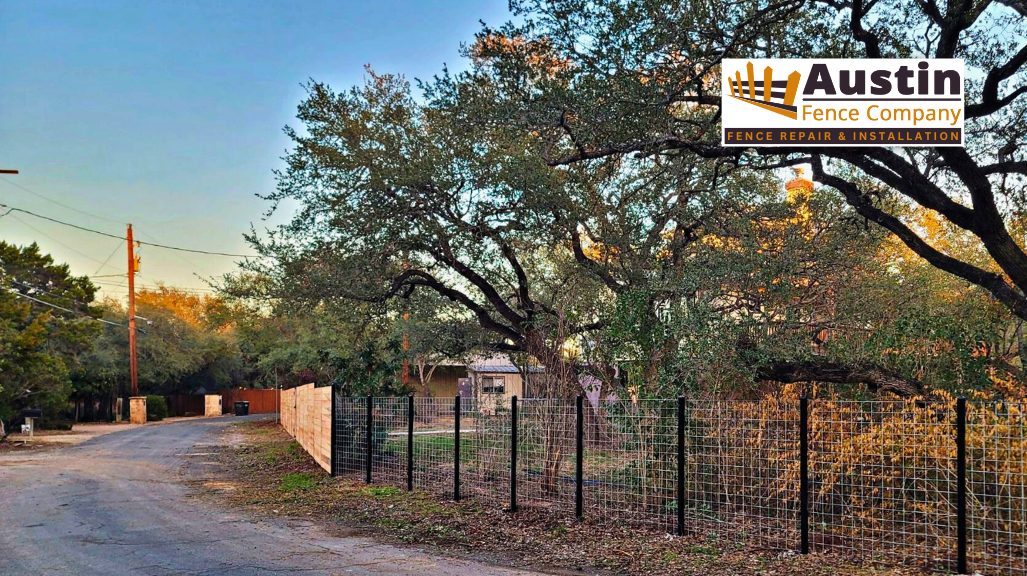
- Spring storms topple weak posts.
- Summer heat warps vinyl and cracks wood.
- Humidity speeds rot and rust.
- Rocky soil magnifies shallow post errors.
Austin-specific conditions mean mistakes cost 2–3x more here than in milder climates.
Pro Tips for Successful Fence Repair
- Use cedar, treated wood, or composite for longevity.
- Set posts at least ⅓ of their height underground.
- Apply rust-resistant coatings every few years.
- Inspect fences twice yearly + after major storms.
- Hire pros for posts, gates, and HOA-sensitive repairs.
Helpful resource: Fence Maintenance Best Practices