
You’re about to invest in a fence, or you’re looking at an aging one and wondering how much time it has left. Either way, you want to know what kind of lifespan to expect. The answer depends heavily on what your fence is made of and how Austin’s climate treats it over the years.
We’re Austin Fence Company, and we’ve been installing and replacing fences across Austin for years. We see what lasts, what fails early, and why. Here’s the truth about fence lifespans in Central Texas based on our experience with thousands of local fences.
Planning a new fence or need to replace an aging one? Call us at (512) 900-5735 for a free estimate.
Fence Lifespan by Material
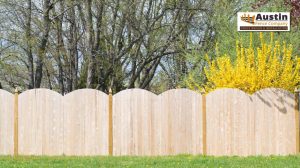
Cedar fence: 15-25 years. Cedar is the most popular fence material in Austin for good reason. It naturally resists rot and insects better than other woods. Western Red Cedar tends to last longer than Texas Cedar, but both hold up well in our climate. With proper staining and maintenance, cedar fences can easily last more than 20 years. Without maintenance, expect it to last closer to 12-15 years before significant deterioration.
Pine fence: 10-15 years. Pressure-treated pine costs less than cedar but doesn’t last as long. The chemical treatment initially protects against rot and insects, but it breaks down over time, especially in Austin’s intense sun. Pine fences typically need replacement sooner than cedar, especially if they’re not maintained with regular staining.
Wrought iron and ornamental iron: 20-50+ years. Iron fences are incredibly durable. The main enemy is rust, but with proper powder coating and occasional touch-ups to scratches, iron fences can last generations. We see iron fences in historic Austin neighborhoods like Hyde Park that are 50+ years old and still fully functional.
Vinyl fence: 20-30 years. Vinyl doesn’t rot, rust, or need painting. It handles Austin’s sun reasonably well, though extreme heat can cause some warping or brittleness over decades. Quality vinyl with UV inhibitors lasts longer than cheap vinyl. The key is to buy quality materials from reputable manufacturers.
Chain link fence: 15-25 years. Chain link is low-maintenance and durable. Galvanized chain link resists rust well. Vinyl-coated chain link lasts even longer and looks better. Posts typically fail before the mesh, so replacing posts can significantly extend the life of a chain-link fence.
Composite fence: 25-30+ years. Composite materials combine wood fibers with plastic for a rot-resistant, low-maintenance option. They cost more upfront but require almost no maintenance and last for decades. They handle Austin’s climate well and won’t crack, warp, or rot like natural wood.
Aluminum fence: 20-30 years. Aluminum won’t rust like iron and requires minimal maintenance. It’s lighter than iron but still durable. Popular for pool fencing and front yard decorative fencing, where the see-through style works.
How Austin’s Climate Affects Fence Lifespan
Austin is tough on fences. We have a unique combination of conditions that stress fencing materials:
Extreme heat and UV exposure. Austin summers regularly hit 100+ degrees with intense sun. UV radiation breaks down wood fibers and fades stains faster than in cooler climates. It also makes vinyl and plastic components brittle over time. South-facing fences take the worst beating and typically show wear first.
Wet-dry cycles. Our pattern of drought followed by heavy rain is hard on wood. The constant expansion and contraction stresses boards and loosens fasteners. It also creates conditions where rot can take hold during wet periods after drought has already weakened the wood.
Clay soil movement. Austin’s expansive clay soil swells when wet and shrinks dramatically when dry. This movement puts stress on fence posts and can shift them out of alignment over the years. Posts often fail before panels do because of soil movement, particularly in areas like South Austin with heavy clay content.
Insects. Termites and carpenter ants are active year-round in Central Texas. They’ll attack untreated wood and can significantly shorten a fence’s lifespan if left unchecked. Annual termite inspections for your home should include checking your fence.
Storm damage. Austin gets severe thunderstorms, occasional hail, and high winds. These events can damage even healthy fences. We see a spike in repair calls every spring after storm season.
What Makes Fences Last Longer

The difference between a 12-year fence and a 25-year fence often comes down to a few factors you can control:
Quality installation. Posts set deep enough (at least 2 feet, ideally 2.5-3 feet) in concrete last longer than shallow posts. Proper spacing, quality hardware, and good construction techniques matter. A well-built fence starts with an advantage that compounds over time. Check our installation services for what proper installation looks like.
Regular staining and sealing. Wood fences need protection from moisture and UV. Staining every 2-3 years can add 5-10 years to a wood fence’s life. It’s one of the best investments you can make to extend your fence’s longevity. The cost of staining over 20 years is far less than replacing the fence early.
Prompt repairs. Small problems become big problems quickly. A loose board lets water into the structure. A leaning post puts stress on neighboring posts and can cause a cascade of failures. Fixing issues early prevents expensive damage.
Good drainage. Water pooling at the base of posts accelerates rot. Make sure your fence line has good drainage and that the soil slopes away from the posts rather than toward them. Adding gravel around post bases can help.
Metal post options. Steel posts with wood panels give you the look of wood with posts that won’t rot. This hybrid approach is increasingly popular for homeowners who want long-lasting fences without going full metal. The posts typically outlast two or three sets of wood panels.
Signs Your Fence Is Reaching the End of Its Life

Watch for these warning signs that your fence is nearing the end:
Multiple leaning sections indicate post failure throughout the fence, not just in one spot. Widespread rot at the base of posts, visible as soft or crumbling wood at ground level, means the structural foundation is compromised. Boards that crumble or break easily when you push on them have lost structural integrity. Posts that wobble significantly when grabbed indicate that the concrete has failed or the wood has rotted below ground. Repairs that seem to multiply faster than you can address them suggest systemic failure rather than isolated issues.
When you’re constantly fixing things, and the fence still looks rough, it’s usually time to start planning for replacement. Check our repair vs replacement guide for help making this decision.
Questions About Your Fence’s Lifespan?
Whether you’re planning a new fence and want to choose materials wisely, or you’re trying to decide if your current fence is worth repairing, we can help. Contact us or call (512) 900-5735 for honest advice and a free estimate.