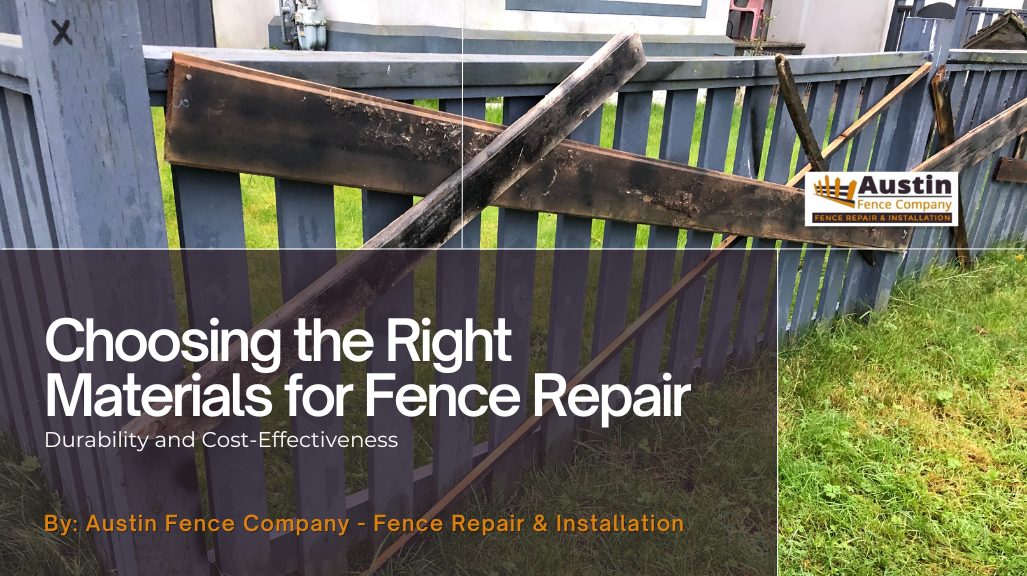
Choosing the right fence is essential for any property owner to maintain a sturdy and visually appealing boundary. Whether you’re addressing wear and tear or planning a complete overhaul, selecting the right materials is key to ensuring long-term durability and cost-effectiveness. At Austin Fence Company, we specialize in providing expert guidance on fence repair in Austin, helping homeowners and businesses choose materials that balance quality with affordability.
Key Considerations When Selecting Fence Repair Materials
1. Evaluating Durability vs. Cost-Effectiveness
When selecting materials for fence repair in Austin, it’s crucial to strike a balance between longevity and budget. Consider factors such as:
- Material lifespan: How long will the material last under Austin’s climate conditions?
- Maintenance requirements: Will it need frequent upkeep, staining, or repairs? Regular maintenance, such as repainting and re-staining, is essential to prevent issues like rot and warping, thereby promoting the fence’s longevity.
- Initial vs. long-term costs: Is the upfront investment worth the durability and minimal maintenance?
Pro Tip: Investing in high-quality materials might seem expensive at first, but it reduces the need for frequent repairs, ultimately saving you money.
2. Understanding Different Fence Materials
Selecting the right fence material is crucial as each fencing material has its own advantages and drawbacks. Here’s how they compare:
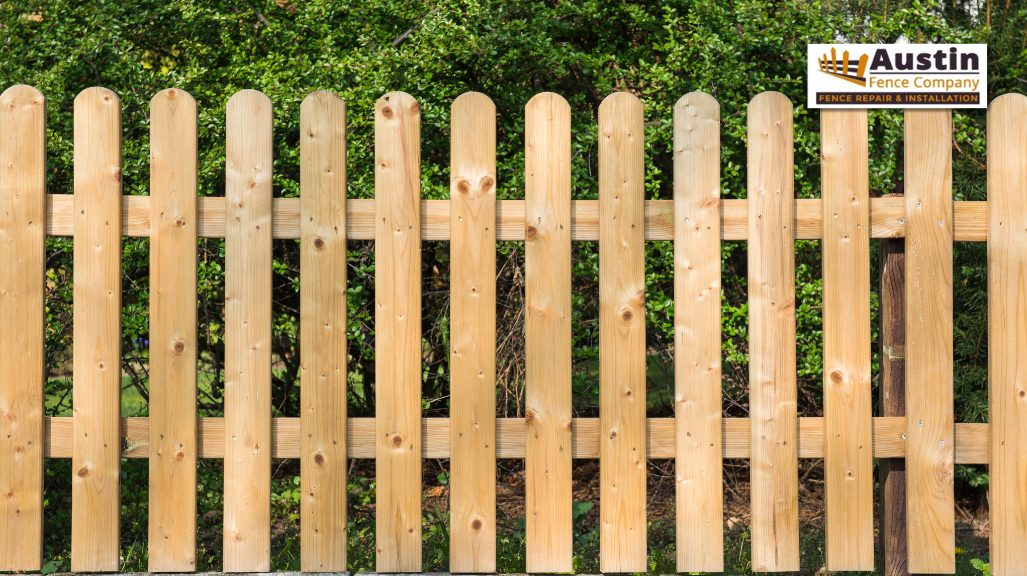
Wood: Traditional and Customizable
- Pros: Classic appearance, customizable, relatively affordable.
- Cons: Requires regular staining, vulnerable to rot and termites. Untreated wood is more susceptible to rot, pests, and weathering, which can significantly shorten its lifespan compared to treated wood.
- Best for: Homeowners looking for an aesthetic appeal and willing to maintain it.
Vinyl: Low Maintenance and Long-Lasting
- Pros: Vinyl fencing pros include its resistance to rot, warping, and fading, along with minimal maintenance requirements.
- Cons: Higher initial cost, limited customization.
- Best for: Those wanting a durable, hassle-free fence solution.
Metal (Aluminum, Wrought Iron, Steel): Highly Durable and Secure
- Pros: Metal fences offer a long lifespan, high security, and resistance to weather.
- Cons: Prone to rust if not treated properly, more expensive upfront.
- Best for: Commercial properties and homeowners looking for a secure fence.
Composite: Eco-Friendly and Weather Resistant
- Pros: Made from recycled materials, resists weather and rot, low maintenance.
- Cons: Expensive initial cost, limited texture options.
- Best for: Environmentally conscious buyers seeking longevity.
Pro Tip: If you want a balance of aesthetics and durability, consider combining materials (e.g., wood posts with metal frames).
3. Weather and Climate Considerations
Austin’s climate plays a significant role in fence material selection. The hot summers, occasional heavy rains, and high humidity can impact longevity.
- For hot and dry climates: Metal and vinyl are excellent choices as they resist warping and fading.
- For areas with frequent rainfall: Choose treated wood or composite materials to prevent rot and moisture damage.
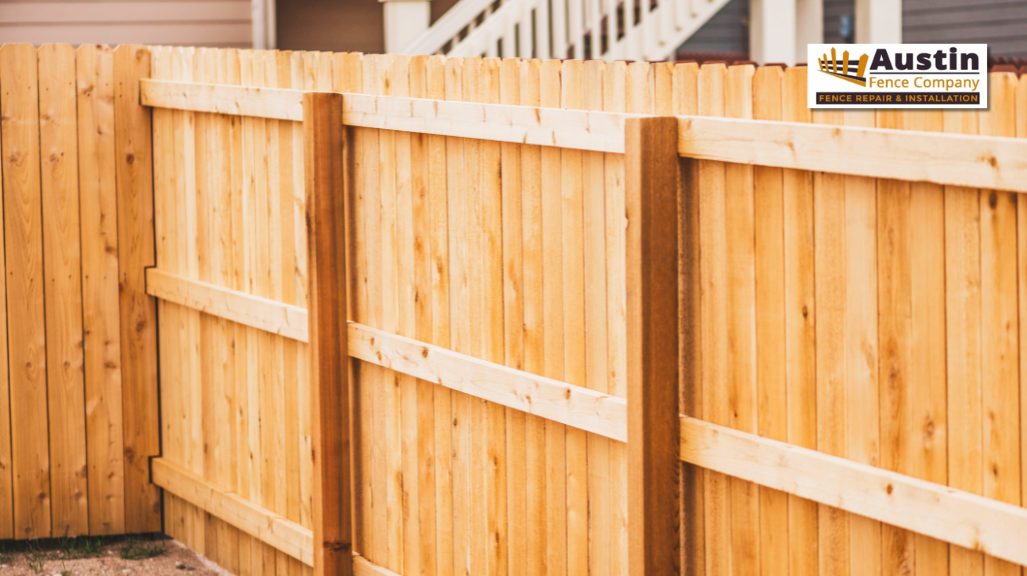
- For strong winds: Opt for reinforced posts and sturdy installation techniques to prevent leaning. Additionally, using products designed to protect wood from weather damage can significantly enhance durability.
Pro Tip: Adding a weather-resistant sealant to wood fences can extend their lifespan and reduce maintenance needs.
Making a Cost-Effective Fence Repair Decision
4. Short-Term vs. Long-Term Investment
Homeowners often choose cheaper materials to save on initial costs, but frequent repairs and replacements can drive up expenses over time. Here’s a breakdown:
Material | Initial Cost | Maintenance | Lifespan |
|---|---|---|---|
Wood | Low to Medium | High | 10-20 years (with maintenance) |
Vinyl Fencing | Medium to High | Low | 30+ years |
Metal | High | Medium | 30+ years (with proper care) |
Composite | High | Low | 25+ years |
Pro Tip: If you’re planning to stay in your home for many years, consider long-term savings rather than just the upfront cost.
5. Professional vs. DIY Fence Repair
While some repairs can be DIY-friendly, certain materials and complex installations require professional expertise. Additionally, considering professional fence installation is crucial for ensuring the longevity and durability of the fence, especially when dealing with specific materials.
When DIY is a Good Option:
- Replacing a few wooden panels.
- Applying a fresh coat of sealant or stain.
- Tightening loose screws or brackets.
When to Call a Professional:
- Major structural damage, such as leaning or rotting posts.
- Installing new materials that require specialized tools.
- Ensuring the fence meets local zoning laws and HOA guidelines.
At Austin Fence Company, our experts provide top-tier fence repair in Austin, ensuring durability and compliance with local regulations.
Pro Tip: If your fence damage is beyond simple fixes, hiring a professional can save time, effort, and additional repair costs down the road.
Choosing the Best Materials for Your Fence Repair
To make the right decision, ask yourself these key questions:
- How long do I need my fence to last? (Short-term fix or long-term investment?)
- What’s my budget? (Initial cost vs. lifetime expenses.)
- How much maintenance am I willing to do? (Regular staining vs. set-it-and-forget-it materials. Aluminum fences, for example, are durable and require minimal upkeep.)
- Does my fence need extra durability for pets or security? (Strong materials like metal or composite may be better.)
- Do I need HOA or city approval for material changes? (Some communities have strict guidelines.)
Pro Tip: Always get material samples before making a final decision to ensure they match your property’s aesthetic.