
Why This Decision Matters for Austin Homeowners
Fences in Austin do more than define property lines—they provide privacy, security, and curb appeal. HOA regulations in neighborhoods like Circle C or Steiner Ranch often dictate when fences must be replaced rather than repaired. Making the wrong choice can cost thousands or result in repeat repairs.
Helpful read: The Complete Guide to Fence Repair in Austin
Signs Fence Repair Is the Right Choice
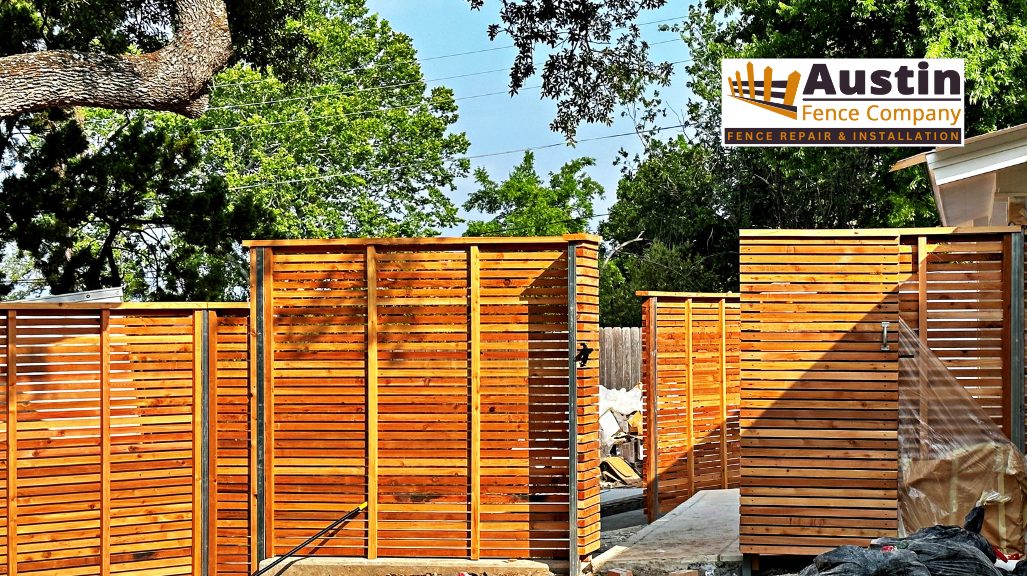
Repair is usually enough when:
- Damage is limited to a few boards, rails, or a single post.
- Fence leaning is minor, and posts can be reset.
- Rust or rot is isolated and caught early.
- Less than 20–30% of the fence is compromised.
- Costs are well below half of the full replacement cost.
Service link: Fence Repair in Austin
Signs Fence Replacement Is Necessary
Replacement is the smarter investment if:
- Multiple posts are rotting or loose.
- Entire sections lean or sag.
- The wood exhibits widespread rot or insect damage.
- Rust has spread across the iron or chain link.
- Repair estimates exceed 50% of replacement cost.
- HOA requires new materials for compliance.
Helpful read: Common Fence Repair Mistakes to Avoid
Cost Comparison: Repair vs Replacement in Austin
Option | Typical Cost | Lifespan Added | Best For |
Repair | $150–$600 (minor fixes), $1,500+ (large repairs) | 5–10 years | Small issues, newer fences |
Replacement | $3,000–$8,000+ depending on material | 15–30 years | Old, heavily damaged fences |
Resource: Fence Installation Cost Breakdown
Material Considerations in the Repair vs Replace Decision
- Wood: Repair if only a few boards are affected by rot. Replace if posts and multiple sections are failing.
- Chain Link: Repair sagging mesh or replace bent posts. Replace if rust is widespread.
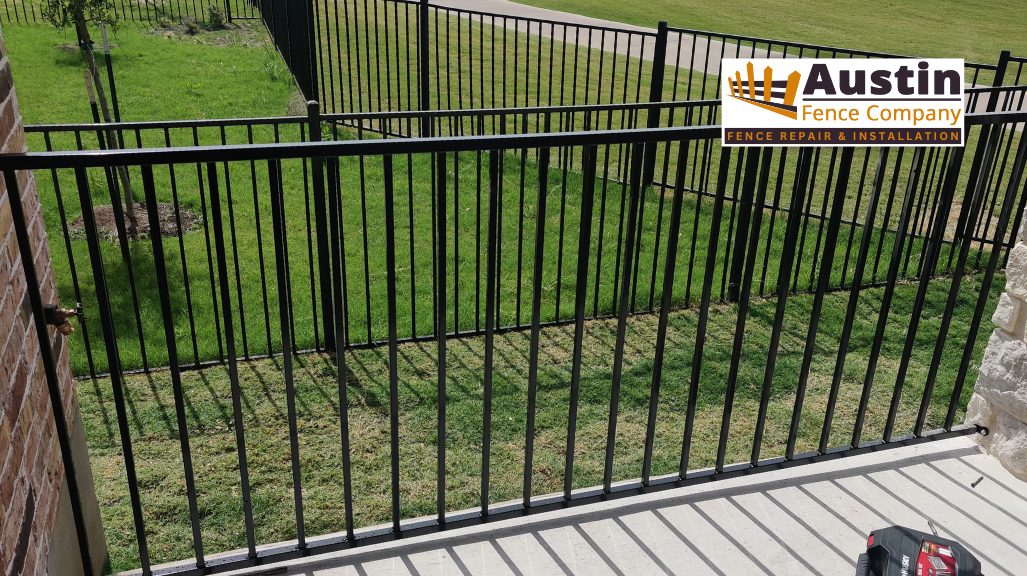
- Ornamental Iron: Repair with sanding, priming, and welding if rust is minimal. Replace if corrosion compromises the structure.
- Composite/Vinyl: Repairs are limited; replacement is often the only option if panels warp or crack.
Helpful resource: Best Fence Materials for Austin Homes
How Austin’s Climate Affects the Choice
Austin’s weather speeds up fence wear:
- Heat → cracks and warps wood and vinyl.
- Humidity → accelerates rot and rust.
- Storms → topple weak posts.
- Soil → clay and limestone cause posts to shift.
Pro tip: If weather has repeatedly caused the same problem, replacing it with climate-ready materials (such as cedar, composite, or powder-coated iron) is often a better investment.
Helpful read: How Austin Weather Affects Fence Repair
HOA Rules and Neighborhood Requirements
Many Austin HOAs mandate cedar or stained wood and require complete replacement when fences look worn. Ignoring these rules can mean:
- HOA fines.
- Forced complete replacement regardless of repair potential.
Always check HOA covenants before investing in repairs.
Environmental and Long-Term Value Considerations
- Repair → lower upfront cost, but may not last long.
- Replacement → higher upfront, but better resale value.
- Professionally installed replacements can add 3–5% to property value in Austin’s competitive market.
- Composite and iron replacements reduce environmental impact by requiring fewer future repairs.
DIY vs Professional Options
- DIY Repair: Good for replacing pickets, tightening chain link, or painting rust spots.
- Professional Repair: Required for post resets, large sections, or welding.
- DIY Replacement: Rarely cost-effective—requires permits, equipment, and experience.
- Professional Replacement: Ensures code compliance, HOA approval, and long-lasting results.
Helpful read: DIY vs Professional Fence Installation in Austin